
Small businesses face unique challenges in today’s digital landscape. They need powerful tools to compete with larger companies, yet they often operate with limited budgets and resources. Fortunately, scalable technological solutions offer a way forward. These adaptable systems grow alongside your business, ensuring you only pay for what you need while maintaining the flexibility to expand.
Understanding Scalability in Business Technology
Scalability refers to a system’s ability to handle increased workload without compromising performance. For small enterprises, this means investing in technology that adapts to changing demands. Instead of replacing entire systems as your business grows, scalable solutions expand incrementally. This approach saves money and reduces disruption.
Many entrepreneurs overlook scalability when selecting business tools. They focus solely on immediate needs, which can lead to costly replacements later. However, choosing scalable options from the start creates a foundation for sustainable growth. Your technology infrastructure becomes an asset rather than an obstacle.
Cloud Computing: The Foundation of Modern Scalability
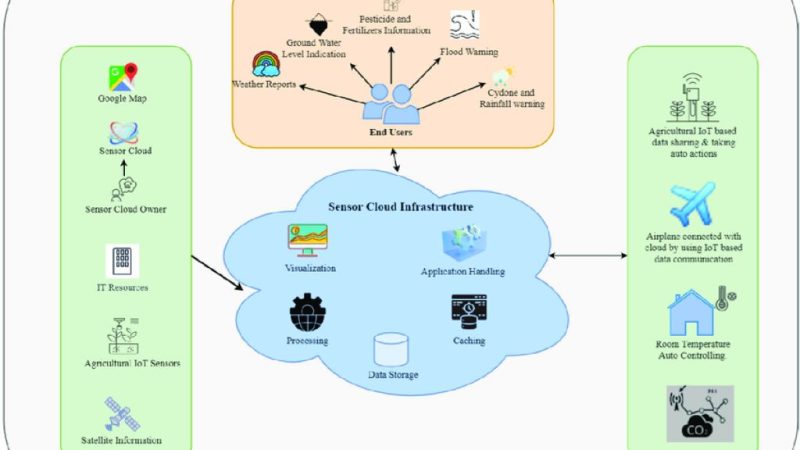
Cloud computing has revolutionized how small businesses access technology. Rather than purchasing expensive servers and hardware, companies can rent computing power as needed. This model eliminates large upfront investments and converts technology costs into predictable monthly expenses.
Major cloud providers offer services that scale automatically. When your website traffic increases, the system allocates more resources instantly. Conversely, during slower periods, you pay less. This flexibility is particularly valuable for businesses with seasonal fluctuations.
Additionally, cloud solutions provide access to enterprise-grade security and backup systems. Small businesses gain protection that would otherwise require significant investment. Your data remains safe across multiple geographic locations, ensuring business continuity even during unexpected events.
Customer Relationship Management Systems
Managing customer relationships effectively is crucial for business success. Modern CRM systems help small enterprises track interactions, automate communications, and analyze customer behavior. These platforms start simple but expand as your customer base grows.
Entry-level CRM solutions often include basic contact management and email integration. As your needs evolve, you can add features like sales pipeline tracking, marketing automation, and customer service modules. This gradual expansion ensures you’re never paying for unused functionality.
Furthermore, contemporary CRM systems integrate with other business tools. They connect with your email platform, accounting software, and e-commerce systems. This integration creates a seamless workflow that saves time and reduces manual data entry errors.
E-commerce Platforms That Grow With You
Online selling has become essential for most small businesses. Scalable e-commerce platforms allow you to start with a basic online store and expand into sophisticated retail operations. These systems handle everything from product listings to payment processing and inventory management.
Popular platforms offer tiered pricing structures. You might begin with a starter plan that supports a few products and limited monthly transactions. As sales increase, upgrading to higher tiers unlocks advanced features like abandoned cart recovery, multi-channel selling, and detailed analytics.
Moreover, these platforms provide numerous integration options. You can connect with shipping providers, accounting software, and marketing tools. This ecosystem approach means your e-commerce system becomes the hub of your entire retail operation.
Communication and Collaboration Tools
Effective team communication becomes more complex as businesses grow. Scalable communication platforms address this challenge by offering flexible solutions that accommodate teams of any size. These tools facilitate instant messaging, video conferencing, and project collaboration.
Many communication platforms start with free versions suitable for small teams. As your workforce expands, premium tiers unlock additional features like unlimited video conferencing, advanced security controls, and integration with project management software. According to Forbes, selecting the right collaboration tools can significantly improve productivity and employee satisfaction.
Therefore, investing in proper communication infrastructure pays dividends in team efficiency. Remote work capabilities have become standard expectations, and scalable tools ensure your business can support various work arrangements without sacrificing connectivity.
Accounting and Financial Management Software
Financial management is critical for business sustainability. Modern accounting platforms designed for small businesses offer scalability that traditional software cannot match. Cloud-based systems provide real-time financial visibility and automated processes that reduce administrative burden.
Basic packages typically include invoicing, expense tracking, and simple reporting. As your financial operations become more complex, you can add features like inventory management, multi-currency support, and advanced reporting capabilities. Some platforms even offer payroll integration and tax preparation assistance.
Additionally, these systems often include mobile applications. You can create invoices, track expenses, and monitor cash flow from anywhere. This accessibility helps business owners stay informed and make timely decisions regardless of their location.

Marketing Automation Platforms
Marketing requires consistent effort and strategic planning. Scalable marketing automation platforms help small businesses create professional campaigns without requiring large marketing teams. These systems manage email marketing, social media posting, and lead nurturing automatically.
Entry-level plans usually support basic email campaigns and simple automation workflows. As your marketing sophistication increases, you can implement advanced segmentation, A/B testing, and multi-channel campaigns. The platform grows from a simple email tool into a comprehensive marketing command center.
Furthermore, marketing automation provides valuable analytics. You can track which campaigns generate the best results and adjust your strategy accordingly. This data-driven approach helps small businesses compete more effectively against larger competitors with bigger marketing budgets.
Cybersecurity Solutions for Growing Businesses
Security threats evolve constantly, making cybersecurity essential for businesses of all sizes. Scalable security solutions protect your digital assets while adapting to your growing infrastructure. These systems safeguard customer data, prevent breaches, and ensure regulatory compliance.
Basic security packages might include antivirus software, firewall protection, and email security. As your digital footprint expands, you can add advanced threat detection, employee security training, and incident response services. According to IBM Security, small businesses increasingly face cyber threats, making proper security measures crucial.
Consequently, viewing cybersecurity as an investment rather than an expense makes good business sense. The cost of a data breach far exceeds the investment in proper protection. Scalable security solutions ensure your protection level matches your risk profile.
Choosing the Right Solutions for Your Business
Selecting appropriate scalable technologies requires careful consideration. Start by identifying your current pain points and future growth projections. Which processes consume the most time? Where do bottlenecks occur? What capabilities will you need in two or three years?
Next, research solutions that address these specific needs. Look for platforms with positive reviews from similar-sized businesses in your industry. Pay attention to integration capabilities, ensuring new tools work with your existing systems. Request demonstrations and take advantage of free trials whenever possible.
Finally, consider the total cost of ownership. Monthly subscription fees represent just one component. Factor in implementation time, training requirements, and potential productivity gains. The cheapest option rarely delivers the best long-term value.
Implementation Strategies for Maximum Success
Successfully implementing new technology requires planning and commitment. Begin with a clear implementation timeline that includes specific milestones. Assign team members to oversee the process and communicate regularly about progress and challenges.
Employee training is crucial for adoption success. Even the best technology fails if your team doesn’t use it properly. Invest time in comprehensive training sessions and create reference materials for ongoing support. Encourage questions and address concerns promptly.
Moreover, start small and scale gradually. Implement core features first and ensure they work smoothly before adding complexity. This phased approach reduces disruption and allows your team to adjust incrementally. Monitor usage and gather feedback regularly to optimize your implementation.
Conclusion
Scalable technological solutions empower small enterprises to compete effectively in dynamic markets. Cloud computing, CRM systems, e-commerce platforms, and communication tools provide flexibility that adapts to changing business needs. By selecting appropriate technologies and implementing them strategically, small businesses create foundations for sustainable growth.
The key lies in choosing solutions that start simple but expand as needed. This approach minimizes upfront investment while ensuring you’re never limited by your technology infrastructure. Therefore, small enterprises that embrace scalable solutions position themselves for long-term success in an increasingly digital world.
Frequently Asked Questions
What makes a technology solution truly scalable?
A scalable solution adjusts its capacity and features based on your current needs without requiring complete replacement. It typically offers tiered pricing, flexible user limits, and modular features that you can add or remove as circumstances change.
How much should small businesses budget for scalable technology?
Most scalable solutions operate on subscription models ranging from $10 to $500 monthly, depending on features and user count. A realistic technology budget typically represents 3-6% of annual revenue for small businesses. However, costs vary significantly based on industry and specific needs.
Can scalable solutions integrate with existing business systems?
Most modern scalable platforms prioritize integration capabilities. They offer APIs, native integrations, and third-party connection tools that allow different systems to communicate effectively. Always verify integration options before committing to a new platform.
How long does implementing scalable technology typically take?
Implementation timelines vary from a few days for simple tools to several months for complex systems. Cloud-based solutions generally deploy faster than traditional software. Proper planning, employee training, and phased rollouts help ensure smoother implementations regardless of timeline.
What happens to my data if I outgrow a scalable solution?
Reputable providers offer data export tools that allow you to download your information in standard formats. Before selecting any solution, review the vendor’s data portability policies and ensure you maintain ownership of your business data. This protection ensures you can migrate to different platforms if necessary.
Related Topics: