

Finding the right pair of running headphones can be frustrating, especially when you’re balancing audio quality, battery life, and a secure fit that survives sweaty miles in the California sun. Whether you’re training along the Santa Monica boardwalk, tackling trails in Muir Woods, or logging intervals in Sacramento’s summer heat, your headphones need to handle your environment as well as your playlist. This guide breaks down exactly what matters when you choose running headphones in california, from comfort and battery life to weather resistance and safety features. You’ll leave with a clear understanding of what to prioritize, what to avoid, and how to make a confident purchase that fits your specific running routine.
Key Takeaways
- Earbud style and ear fin design matter more than audio specifications for a secure, comfortable run.
- Battery life requirements differ significantly between short daily jogs and long ultra-marathon training sessions.
- Weather resistance and heat tolerance are not optional in California, especially during summer months.
- Safety features like ambient mode and bone conduction are practical choices for road runners and trail runners alike.
- Fit testing in person is valuable, but understanding your ear shape and running style helps narrow online choices.
What Factors Matter Most for Running Headphones?
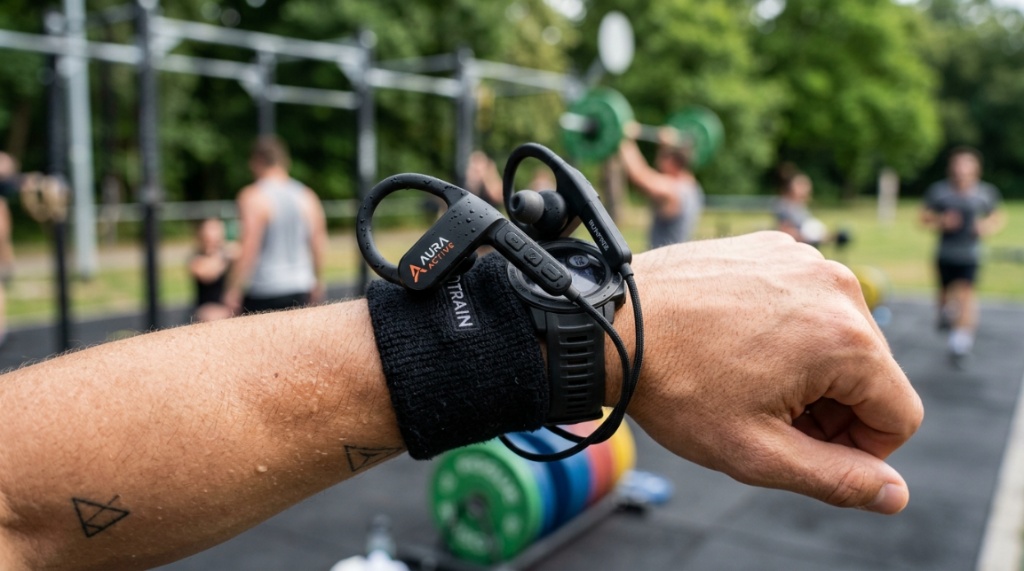
Before looking at specific brands or models, it helps to understand the core factors that separate running headphones from general-purpose earbuds. Running introduces constant motion, sweat, and often exposure to the elements. A pair that works at a desk may not survive a single tempo run.
The most critical factors, in order of practical importance for runners, are:
- Secure Fit: Earbuds that wiggle loose or require constant adjustment ruin momentum. Look for ear fins, wings, or hooks.
- Comfort for Long Wear: Pressure points and sharp edges become unbearable after an hour on the road.
- Battery Life: Dead headphones mid-run leave you with nothing but your own breathing. Calculate your weekly mileage to estimate your required battery capacity.
- Durability against Sweat and Water: Sweat is corrosive. An IPX4 rating is the minimum, while IPX7 or higher offers more protection for heavy sweaters.
- Sound Quality with Awareness: Music should sound good, but you also need to hear traffic, cyclists, and other runners.
Fit and Stability: The Difference Between a Good Run and a Bad One
If headphones slip, bounce, or cause pain, nothing else matters. In-ear monitors with silicone tips rely on a seal to stay put, but that seal breaks when you bounce. Ear wings or fins anchor the earbud inside the outer ear, providing extra stability. Over-ear hooks are the most secure option, though they add weight and bulk.
When evaluating fit, consider your ear anatomy. Some people have oilier ear canals, which affects grip. Others have smaller concha bowls, which can make larger earbuds feel invasive. Try different tip sizes and wing designs if possible, especially at a local store where you can simulate a few quick jumping jacks.
Battery Life: Plan for Your Longest Run
Battery life and battery management influence your training schedule more than you might expect. If your longest training run is 90 minutes, a pair with five hours of playback on a single charge works perfectly. But if you are training for a marathon on the weekends, you need at least eight to ten hours. Also, consider the charging case. For a runner, a pocket-sized case that provides an extra 20 hours is convenient, but a case that is bulky may not fit in a hydration belt or running vest.
Weather Resistance and Heat Tolerance
California’s climate varies dramatically. Coastal fog in San Francisco demands moisture resistance. Inland summer heat in places like Fresno or Redding pushes headphones to their temperature limits. Sweat resistance is non-negotiable, but so is heat tolerance. Extreme heat can degrade battery performance and cause some materials to become sticky or uncomfortable. Look for headphones with an IPX rating and consider models that explicitly mention heat resistance or feature ventilated ear tips to reduce sweat buildup.
In-Ear vs. Bone Conduction: Which Is Right for You?
The biggest structural decision is choosing between traditional in-ear headphones and bone conduction headphones. Both have legitimate places in a runner’s gear bag, but they serve different needs.
In-ear headphones that sit inside the ear canal provide better sound isolation. This means more bass, more detail, and less outside noise. However, they also block a significant amount of environmental sound, which is dangerous on busy roads.
Bone conduction headphones rest on the cheekbones outside the ear. They leave the ear canal open, so you hear your music and your surroundings simultaneously. Sound quality is objectively weaker than most in-ear models, especially in noisier environments. But for safety-conscious runners, the trade-off is worth it.
Pros and Cons of In-Ear Running Headphones
In-ear headphones, particularly true wireless earbuds, remain the most popular choice among runners. They are compact, lightweight, and generally provide the best sound. With features like active noise cancellation, they create an immersive audio experience. For high-intensity interval training or treadmill sessions in a noisy gym, this is ideal.
The downsides include the seal that makes you less aware of traffic, potential ear fatigue after prolonged wear, and the need to clean them frequently because they trap sweat and wax.
Pros and Cons of Bone Conduction Headphones
Bone conduction is not new, but its popularity among runners has surged over the past several years. The major advantage is situational awareness. On a bike path or trail, hearing a mountain biker approaching from behind is a safety layer conventional earbuds cannot offer. They are also more comfortable for runners with sensitive ear canals.
Their primary limitation is audio fidelity. You will not get the rich bass or intricate detail of a well-sealed in-ear model. They also struggle in loud environments, such as a windy trail or a busy downtown street, where ambient noise forces you to raise the volume.
How Important Is Active Noise Cancellation for Running?
Active noise cancellation (ANC) is a standard feature on many premium earbuds, but it serves a different purpose for runners than for commuters. ANC electronically blocks low-frequency sounds like engine hum or airplane drone. While this can enhance your music quality, it also isolates you from important high-frequency sounds like car horns, shouts, or approaching bicycles.
For a runner, a dedicated transparency or ambient mode is much more valuable than ANC. This mode uses the microphones to let in outside sounds while still playing your music. Many modern headphones allow you to switch between ANC, transparency, and off. The trick is to know which setting matches your running environment. On a quiet trail, ANC is fine. On a busy street, stick to transparency mode.
Ventilated Ear Tips and Heat Management
In warm California regions, persistent heat and humidity cause the ear canal to sweat, which not only causes discomfort but can also compromise the grip of silicone eartips. Some brands now offer vented or breathable ear tips that promote air circulation. These reduce the “occluded” feeling and help prevent moisture buildup. If you run in hot inland areas like the Central Valley or desert communities, prioritize headphones that come with multiple tip styles to find the most breathable option.
What Is the Best Way to Test and Buy Running Headphones?
Manufacturers market dozens of models with overlapping features, so it can feel overwhelming. The best way to narrow your options is to start with a curated list based on your priorities, then test the top two or three.
Evaluate Your Running Environment
Your typical route defines your requirements more than any spec sheet. A runner along the Bay Area waterfront needs wind resistance and a secure fit against sudden gusts. A trail runner in the Sierra foothills needs long battery life and durability against dust and light rain. A road runner in Los Angeles needs clear ambient sound for traffic awareness. Write down your top three environments, then choose headphones that excel in those specific conditions.
Test Fit with a Realistic Run Simulation
In-store testing is useful but limited. You cannot do a proper run in a retail store. If you buy online, check the return policy. Many reputable retailers offer a 30-day return window, which is enough time for a few runs. During your test, simulate the conditions you face most. Run with sweaty ears. Run in the rain if you plan to run in the rain. Run with sunglasses and hats to see if headphone placement conflicts with other gear.
Weight and Form Factor
Weight matters more when you run than when you commute. Heavy headphones bounce and cause fatigue. A pair that weighs over 10 grams per earbud may feel fine initially but will become noticeable after mile eight. Seek a slim profile that sits flush against the ear. This also ensures compatibility with baseball caps, visors, and winter headbands.
Local Purchase Considerations and California Cycling and Trail Culture
California’s running culture is intertwined with cycling and hiking paths. On crowded multi-use trails, situational awareness is not just a safety feature; it is a courtesy to other users. Many California runners choose bone conduction precisely because it allows them to hear a “passing on your left” warning. This is a practical decision driven by social and physical environments more than audio preference.
Layered clothing is also common in coastal climates. In the mornings, you may run in a light jacket that has a hood. Check that your headphones do not interfere with hoods, layered collars, or pullovers. Earbuds with large control buttons on the outer face can accidentally get pushed when a hood is zipped up.
Common Mistakes Runners Make When Buying Headphones
Many runners end up with drawer full of failed headphones because of a few common mistakes. Awareness of these pitfalls can save money and frustration.
Prioritizing Sound Quality Over Fit
The most common mistake is buying a critically acclaimed pair of earbuds that fit your ears poorly. Sound quality is irrelevant if you constantly fiddle with the fit. You cannot enjoy accurate audio while holding an ear in with your shoulder. Always choose a secure, comfortable fit over slight improvements in sound quality.
Overlooking Microphone Quality
Runners often take calls during a cooldown or while quickly checking messages. In windy California coastal locations, microphone quality is the difference between a clear conversation and a garbled mess. Look for microphones with wind-reduction algorithms or specific external microphone placement that avoids wind flow.
Ignoring Charging Connector Compatibility
Most modern running headphones use USB-C for the charging case. But some budget models still use micro-USB. If you travel or use a shared charger, USB-C is far more convenient. Also, check for fast-charge support. A quick ten-minute charge that gives you one hour of playback is a lifesaver before an impromptu run.
Not Accounting for Firmware Updates
Many wireless headphones now update firmware through a companion smartphone app. Some updates change battery management and ANC performance. Ignoring these updates means you miss out on bug fixes and improved performance. Running a manufacturer’s app can also let you customize the equalizer and adjust sound profiles to your specific hearing preferences and environment.
Understanding Different Running Use Cases
Beyond the general category of “runner,” there are distinct use cases that should shape your purchase. A casual 5K runner has different needs than a sub-three-hour marathoner.
For Casual and Short-Form Runners
If you run 20 to 30 minutes, two to three times a week, your requirements are simpler. You need a secure fit and basic sweat resistance. Battery life of five hours is more than enough. You do not need a charging case that offers multiple extra charges. Smaller, lighter earbuds with minimal bulk are ideal. The lowest-cost reputable models will serve you well.
For Long-Distance and Ultra Runners
Hours on your feet change everything. You need a battery that lasts at least eight to ten hours without a charge. You need exceptional breathability to prevent friction and chafing over long durations. You may also prefer open-ear options to stay aware of trail conditions and wildlife. Weight becomes a premium factor. Every gram multiplies over a 50-mile run, and ear pressure points that are fine at mile two will become painful at mile twenty.
For Gym and Treadmill Runners
If your running happens indoors, outside noise is less of a concern. You can prioritize sound quality and active noise cancellation because you do not need traffic awareness. Treadmills, however, produce repetitive mechanical noises and motor hum. ANC headphones are perfect for this environment. Also, with a gym environment, cleaning – the ability to wipe down the earbuds after a sweaty session – is essential.
How to Extend the Life of Your Running Headphones
Proper maintenance will prevent premature degradation. After every run, especially in hot California climates, wipe down the ear tips and exterior with a dry microfiber cloth. Dry the charging contacts and the interior of the charging case. Do not store them in a sealed pocket while wet. Sweat and moisture cause the most common failure points: degraded batteries and corroded connectors.
Every few weeks, remove the silicone ear tips and rinse them with mild soap and water, then air-dry them completely before reattaching. This prevents ear infections and maintains a secure seal. Store your headphones in a cool, dry location. Prolonged exposure to inside-car heat, common in California summers, can damage lithium-ion batteries permanently,
To keep young listeners comfortable during long trips, make sure you Pick Travel-Friendly Noise Cancelling Headphones for Kids.
Frequently Asked Questions
Can I use regular earbuds for running?
You can, but they are not recommended. Regular earbuds typically lack the IPX sweat resistance, stability wings, and secure fit design that running-specific models have. You will likely experience slippage or sweat-induced malfunctions regularly.
Are open-ear headphones good for running?
Open-ear headphones, particularly bone conduction models, are excellent for running. They provide situational awareness, comfort, and allow airflow while maintaining good audio clarity for most listeners. They are especially beneficial for road runners and trail runners who need to hear the environment.
What IP rating do I need for running in California?
At a minimum, look for an IPX4 rating, which protects against splashes, sweat, and light rain. IPX5 and IPX6 offer more protection against heavier sweat and rain. IPX7 or higher allows for submersion, which is overkill for running but useful if you get caught in a downpour.
How long do running headphone batteries last?
True wireless earbuds typically last between five and ten hours on a single charge. The charging case provides an additional 20–35 hours of battery. Bone conduction headphones typically last between five and eight hours on a single charge, but battery life diminishes over time with repeated charge cycles.
Do I need noise cancellation for running?
Not necessarily. Noise cancellation is useful in environments with consistent background noise, like a gym or busy street. However, transparency or ambient modes are more important for safety. If you prioritize total immersion over awareness of the environment, ANC is useful, but running without environmental awareness can be dangerous in busy areas.
Can I use headphones while running on the beach or in open water?
For beach running, you should use a model with a high IPX rating, as sand and saltwater spray are highly corrosive. Saltwater is damaging to electronic components, so please rinse your headphones with fresh water after runs near a beach.
Conclusion
Choosing the right running headphones is a layered decision that depends on where you run, how long you run, and what you are willing to trade off. There is no single “best” pair for all runners. The perfect choice for you balances secure fit, adequate battery life, sufficient weather resistance, and the right level of environmental awareness.
Take the time to audit your running habits before spending money. Prioritize practical factors like fit and durability over audio marketing claims, and remember that safety features like transparency modes are essential for outdoor runners. With a clear understanding of your own needs, you can confidently pick a pair that stays comfortable and functional for hundreds of miles.