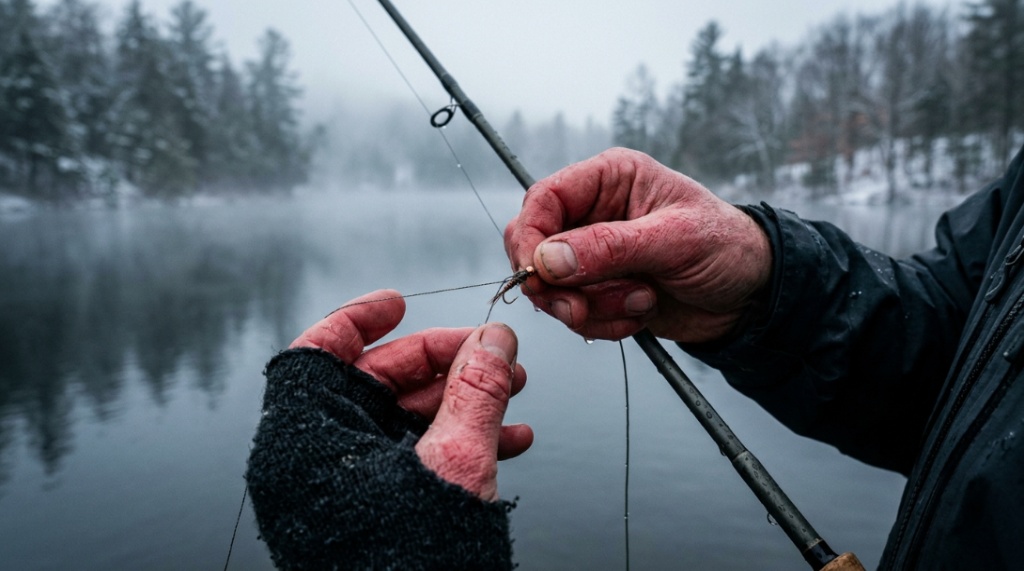
Last December on a steelhead trip in Michigan, a guy in our group pulled out brand-new “waterproof fishing gloves” from a big-box store. Within 30 minutes his hands were soaked, numb, and completely useless for tying knots or managing his reel. He spent the remaining four hours alternating between pockets and frustration while the rest of us fished comfortably. His gloves looked right, cost a reasonable $35, and said “waterproof” on the tag, but they failed every metric that actually matters for cold weather fishing gloves. This fishing glove buying guide prevents you from making the same expensive mistake by identifying the specific failures that plague poorly chosen fishing gloves and the exact specifications that deliver genuine cold-weather performance. The difference between miserable frozen hands and comfortable all-day fishing comes down to understanding five factors that product photos and marketing language deliberately obscure.
What Are the Most Common Fishing Glove Buying Mistakes?
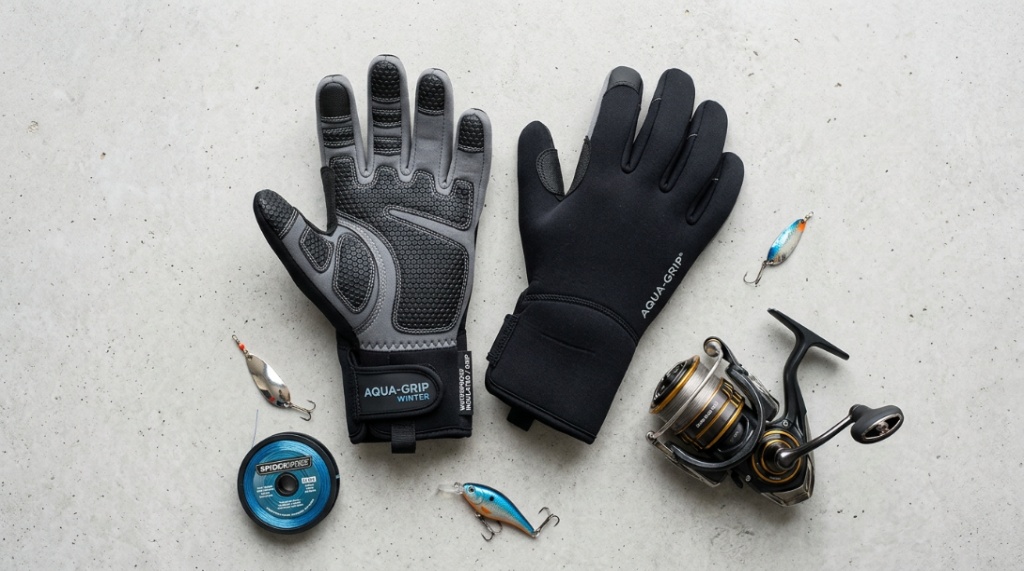
The five most common mistakes are prioritizing waterproofing over breathability, choosing insulation too thick for dexterity needs, ignoring seam placement that causes blisters during casting, buying gloves without textured grip surfaces, and selecting the wrong cuff length for conditions—each mistake makes fishing harder rather than easier.
- Mistake #1 — Waterproof but non-breathable: Fully sealed gloves trap hand sweat, which soaks the insulation from inside. Within 30–60 minutes, your hands are wet from your own perspiration—defeating the waterproofing entirely. Solution: Look for breathable waterproof membranes (Gore-Tex, eVent) that allow vapor escape while blocking water entry.
- Mistake #2 — Too much insulation: Thick gloves feel warm in the store but prevent the finger dexterity needed for tying knots, managing drag, threading line, and handling small tackle. A glove you must remove for basic tasks provides zero cold protection during those ungloved moments. Solution: Choose the thinnest insulation that handles your temperature range.
- Mistake #3 — Poor seam placement: Seams across finger pads or palm contact points create pressure points during repetitive casting motions. After 200+ casts, these seams cause blisters and hot spots. Solution: Verify seams are offset from gripping surfaces and fingertips.
- Mistake #4 — No textured grip: Smooth glove surfaces lose grip on wet rods, wet fish, and wet tackle. Dropping expensive gear in cold water because your gloves cannot hold it is an expensive lesson. Solution: silicone printing, textured palm material, or rubberized grip zones are essential.
- Mistake #5 — Wrong cuff length: Short cuffs allow cold air and water to enter at the wrist — the most common cold entry point. Long cuffs that tuck under jacket sleeves seal the gap. Solution: The cuff should extend 2–3 inches past the wrist bone minimum.
What Temperature Rating Do You Actually Need?
Match your fishing glove temperature rating to your coldest expected conditions minus 10°F for a safety margin—a glove rated to 20°F keeps hands comfortable at 30°F with active fishing movement, while a 0°F-rated glove handles genuine sub-zero conditions without emergency hand-warming breaks.
| Fishing Conditions | Temperature Range | Recommended Glove Rating | Insulation Type |
|---|---|---|---|
| Cool autumn mornings | 40–55°F | 40°F rated (lightweight) | Thin fleece or merino liner |
| Cold weather fishing | 25–40°F | 20°F rated (midweight) | 100–150g Thinsulate or PrimaLoft |
| Severe cold | 10–25°F | 0°F rated (heavyweight) | 200g Thinsulate or equivalent |
| Extreme/ice fishing | Below 10°F | -20°F rated (expedition) | 300g+ insulation or heated gloves |
Critical factor: these ratings assume active use (casting, reeling, managing tackle). During inactive periods (watching a tip-up or waiting for bites), your hands generate less heat. Budget for a heavier backup pair or hand warmers for stationary fishing in severe cold.
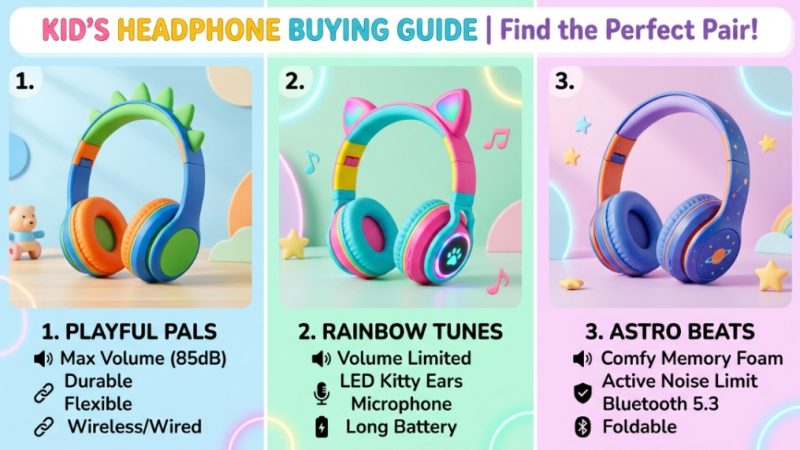
If you frequently bring your family along on your outdoor adventures, keeping everyone comfortable is key to a successful trip. Just like wearing the right technical gear keeps your hands functional on the water, protecting your children from harsh elements and loud marine engines ensures a peaceful experience. Packing high-quality Noise Cancelling Headphones for Kids can keep them calm and content while you focus on navigating the waters and selecting your gear.
What Materials Actually Keep Fishing Hands Warm AND Functional?
The ideal cold-weather fishing glove combines a neoprene or softshell outer (water-resistant, windproof), a breathable waterproof membrane inner layer, synthetic insulation (Thinsulate or PrimaLoft) that retains warmth when wet, and a textured palm surface—each layer serving a specific protective function.
Material breakdown:
- Outer shell options:
- Neoprene (2–3mm): Naturally waterproof, windproof, and flexible. The gold standard for wet-condition fishing. Maintains insulation when soaked. Slightly reduces dexterity due to thickness.
- Softshell: Wind-resistant, breathable, flexible. Better dexterity than neoprene but less water protection. Best for cold-but-dry conditions.
- Leather/synthetic leather palm: Excellent grip and durability. Not waterproof alone but extremely abrasion-resistant for rod handling.
- Insulation options:
- Thinsulate (100–200g): Thin, warm, maintains warmth when damp. Industry standard for fishing gloves. 100g for moderate cold, 200g for severe.
- PrimaLoft: Synthetic down alternative. Excellent warmth-to-weight, compressible, water-resistant. Premium but worth it for extreme cold.
- Fleece lining: Comfortable and warm but absorbs water readily. Best for dry-cold conditions only.
- Membrane options:
- Gore-Tex: The gold standard in waterproof-breathable. Expensive but proven. Allows hand vapor to escape while blocking external water.
- Generic waterproof membranes: Cheaper alternatives that work adequately for 1–2 seasons before degrading.
Should You Choose Full-Finger, Fingerless, or Convertible Gloves?
Convertible gloves with fold-back fingertips provide the best all-around cold-weather fishing solution—offering full insulation during inactive moments and bare-finger dexterity for knot tying, hook removal, and fine tackle management without removing the entire glove.
Style comparison for cold fishing:
- Full-finger (best warmth): Maximum cold protection. Reduced dexterity for fine tasks. Must remove entirely for knot tying in most designs. Best for: extreme cold, trolling, or situations requiring minimal hand dexterity.
- Fingerless (best dexterity): Maximum dexterity. Minimal cold protection for exposed fingertips. Fine for 40°F+ but inadequate below freezing. Best for: cool-weather fly fishing, fall bass fishing.
- Convertible/flip-mitt (best versatility): Fingertips fold back for dexterity tasks and flip forward for warming. Compromise between warmth and function. Best for most cold-weather fishing applications where you alternate between active and inactive periods.
- Three-finger mitt (lobster style): Groups fingers together for shared warmth while allowing grip. Good warmth, moderate dexterity. Best for: ice fishing and extreme cold where full-finger individual design cannot provide sufficient warmth.
For most cold-weather fishing between 15 and 40°F, convertible gloves with fold-back index and middle fingers deliver the optimal balance. You gain bare-finger precision for the 30 seconds needed to tie a knot, then recover full warmth within 60 seconds of flipping the covers back.
How Do You Ensure Proper Fit for Fishing-Specific Use?
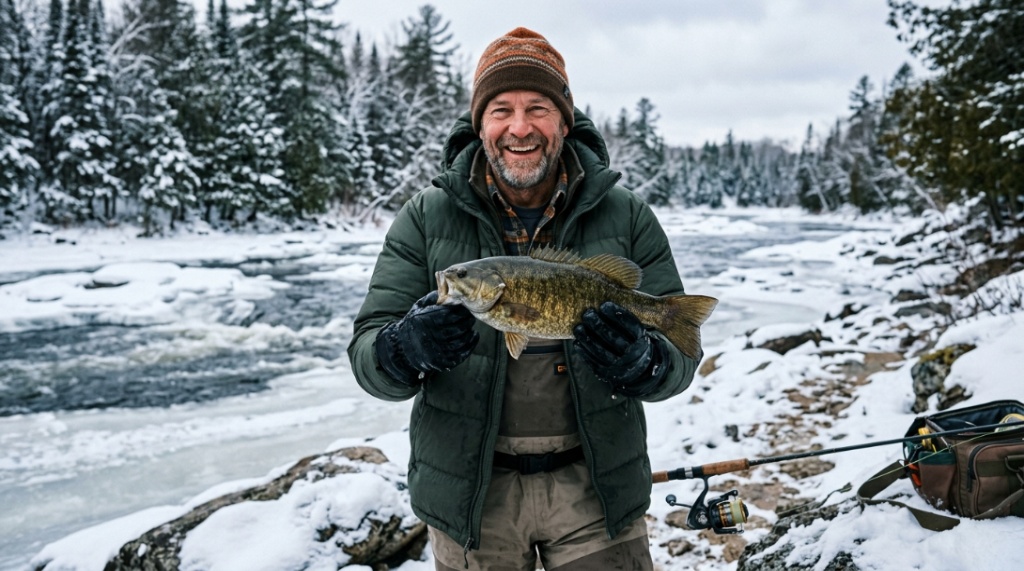
Proper fishing glove fit means being snug enough that fabric does not bunch in the palm (bunching causes blisters and reduces grip); loose enough that fingers can fully curl around a rod without restriction; and long enough in the cuff to seal under jacket sleeves without riding up during casting motion.
Fit testing protocol:
- Grip test: Make a fist inside the glove. Can you fully close your hand without excess material bunching? Excess palm material causes blisters during repetitive casting.
- Rod simulation: Hold a broomstick or similar cylindrical object. Can you feel the object through the glove? Can you maintain grip without squeezing excessively? If you must death-grip to hold, the material is too thick or too slippery.
- Finger extension: Spread your fingers wide. Do the finger seams pull uncomfortably? Does the webbing between fingers restrict opening? Fishing requires both gripping and spreading motions.
- Casting motion: Simulate a casting motion with arm extended. Does the cuff pull away from the wrist? Does the glove shift position? Movement during casting should not expose skin gaps.
- Knot-tying capability: Can you pinch thin material (simulating line) between thumb and finger through the glove? If not, you will remove the glove for every knot—defeating its purpose.
For detailed reviews of cold-weather fishing gloves tested in genuinely harsh conditions, the best budget fishing gloves tested in Alaska provide real-world performance data from sub-zero fishing environments—identifying which gloves actually deliver on cold-weather promises versus those that fail when conditions get serious.
Conclusion
Avoiding the wrong cold-weather fishing gloves comes down to five checks: breathable waterproofing (not just sealed), appropriate insulation thickness for your dexterity needs, seam placement away from grip surfaces, textured palm material for wet-rod control, and extended cuffs that seal against cold entry. The convertible fingertip design handles 80% of cold fishing scenarios optimally. Spend $35–$75 on gloves with named insulation (Thinsulate or PrimaLoft) and waterproof membranes rather than $15–$25 on generic “waterproof” gloves that soak through from internal moisture within an hour.
Cold hands end fishing trips. The right gloves extend them by hours. Invest the time to choose correctly and you eliminate the single biggest comfort failure that cuts cold-weather fishing days short.
What fishing glove feature matters most for your cold-weather trips—warmth, dexterity, or waterproofing? Share below.
Frequently Asked Questions
Are expensive fishing gloves worth it over cheap ones?
At the $35–$75 range, yes—the difference from $15 gloves is dramatic in waterproofing, insulation quality, and durability. Above $75, diminishing returns apply for recreational anglers. Mid-range gloves from fishing-specific brands deliver 90% of premium performance. Below $25, expect failure within one season.
Can I use ski gloves for cold-weather fishing?
Ski gloves provide excellent warmth but terrible fishing dexterity—thick insulation prevents feeling your rod, managing tackle, or tying knots. They work as backup warming gloves between active fishing periods but should not be your primary fishing gloves. Purpose-built fishing gloves balance warmth with the finger sensitivity fishing demands.
How do I dry fishing gloves between trips?
Turn inside out and air dry at room temperature—never use direct heat (radiators, dryers, campfires), which degrades waterproof membranes and insulation. Stuff with newspaper to absorb internal moisture faster. Fully dry gloves before storing to prevent mold and odor. Allow 24–48 hours for complete drying of insulated gloves.
Should I size up for thicker socks or liners underneath?
Only if you plan to always wear liners. A glove sized for bare hands plus a liner will be too loose without the liner (reducing grip and causing blisters). Better approach: buy gloves that fit properly alone and add thin merino liner gloves for extreme cold days—the liner system works inside a properly fitted outer glove without requiring upsizing.
Do heated fishing gloves work?
Battery-heated gloves work well for stationary fishing (ice fishing, tip-up watching) where hand movement is minimal. For active casting and reeling, the battery packs add bulk, and wiring restricts movement. Best used as a backup warming solution for extreme cold rather than primary fishing gloves. Battery life ranges from 2 to 6 hours depending on the heat setting.
How often should I replace fishing gloves?
Quality fishing gloves last 2–4 seasons with proper care. Replace when: waterproofing fails (hands get wet in rain), insulation compresses permanently (cold spots develop), seams separate, or grip surfaces wear smooth. Budget for replacement every 2–3 years for regular cold-weather anglers.