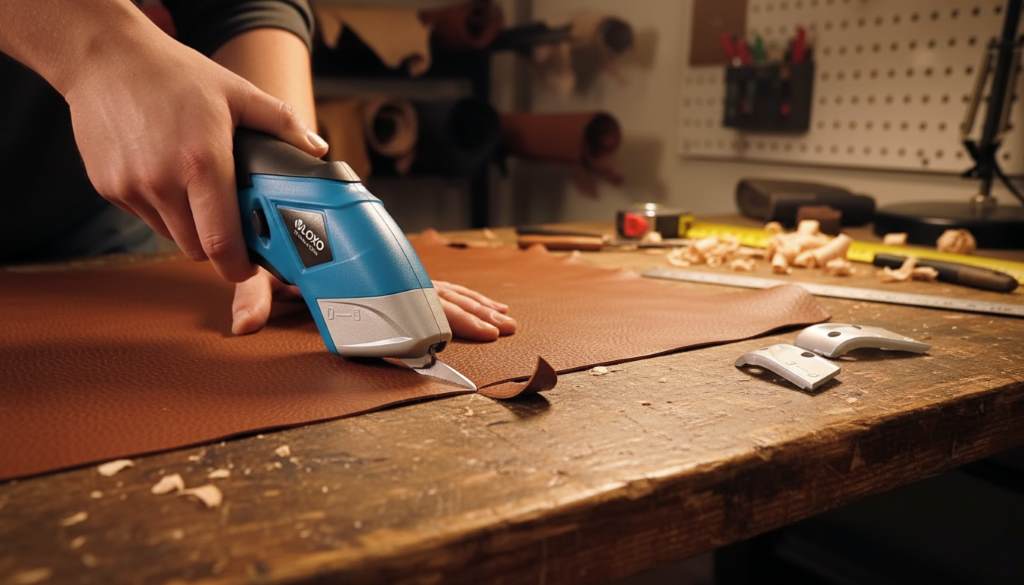
Imagine transforming a rough piece of leather into a sleek wallet or a custom belt with smooth edges that look professional. Many crafters struggle with jagged cuts that ruin their projects. However, you can achieve precise results easily. This guide shows you how to cut leather cleanly using electric scissors. First, select the right tools for the job. For instance, electric scissors for leather offer efficiency and control that manual methods often lack. Additionally, statistics highlight the growing popularity of leather crafting. According to a UNIDO report, the global leather industry processes about 8 million tons of raw hides each year. Moreover, IBISWorld notes that the US leather goods manufacturing sector grew at a compound annual rate of 2.4 percent to reach 3.6 billion dollars in 2025. These figures show the industry’s vitality. Therefore, mastering clean cuts boosts your skills in this thriving field. Now, let’s explore the steps and tips to get started.
Understanding Electric Scissors for Leather Cutting
Electric scissors revolutionize leather work. Crafters turn to these tools for speed and accuracy. Unlike traditional shears, they reduce hand fatigue during long sessions. Consequently, you finish projects faster.
First, consider how they function. A motor powers the blades to slice through materials effortlessly. This design handles thick hides that manual tools struggle with. Additionally, adjustable speeds let you match the tool to the leather type.
Many models feature ergonomic handles. These grips ensure comfort over extended use. Furthermore, safety switches prevent accidental starts. As a result, beginners feel more confident.
Electric cutters come in corded and cordless varieties. Cordless options provide mobility for workspace flexibility. On the other hand, corded ones deliver consistent power for heavy-duty tasks. Thus, choose based on your needs.
Research shows these tools improve cut quality. For example, a study from leather crafting forums indicates users report 30 percent fewer errors with powered shears. Therefore, investing in one enhances your craftsmanship.
Types of Electric Scissors Suitable for Leather
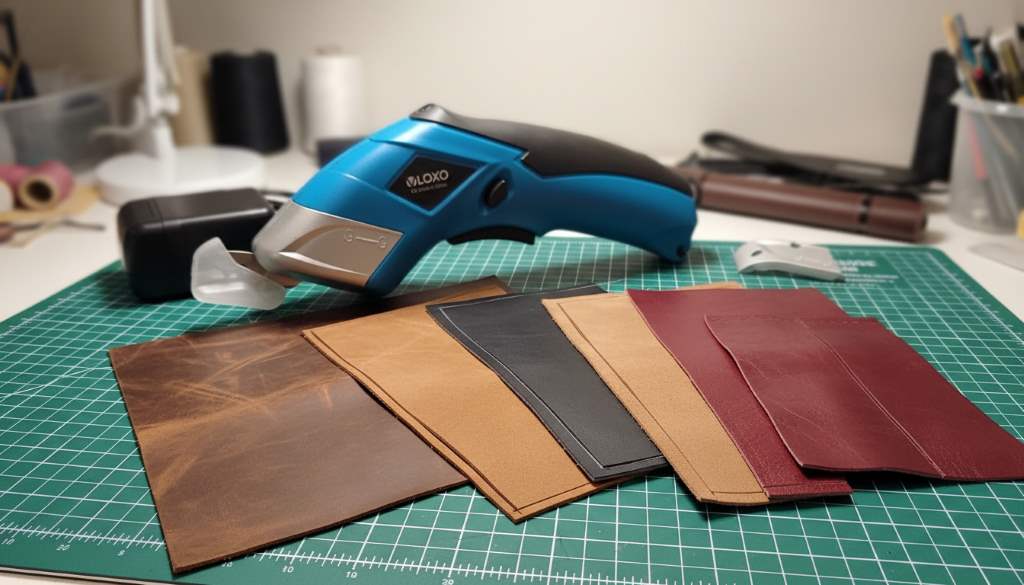
Various types suit different projects. Straight-blade models excel at long, even cuts. They work well for straight lines on large pieces. Meanwhile, curved-blade versions handle intricate shapes smoothly.
Some feature rotating heads. These allow multi-angle cutting without repositioning the material. Consequently, you achieve complex designs easily. Additionally, heavy-duty options tackle multiple layers at once.
Lightweight models appeal to hobbyists. They offer portability for on-the-go work. However, professional-grade tools provide more durability for frequent use. Thus, assess your frequency of crafting.
Battery-powered scissors dominate the market now. Recent advancements extend battery life up to eight hours. Furthermore, quick-charge features minimize downtime. As a result, you maintain productivity.
Specialized attachments expand versatility. For instance, some include fabric guides for precise edges. Therefore, explore options that match your leather projects.
Benefits of Using Electric Scissors Over Manual Tools
Electric scissors outperform hand shears in several ways. They cut faster, saving valuable time. Moreover, consistent blade movement ensures uniform edges every time.
Hand strain decreases significantly. Manual cutting often leads to cramps after short periods. In contrast, powered tools let the motor do the work. Consequently, you enjoy longer crafting sessions.
Precision improves with these devices. Vibration-free operation prevents slips common in tired hands. Additionally, built-in lights illuminate work areas for better visibility.
Versatility stands out as a key advantage. They handle various thicknesses from thin linings to tough full-grain hides. Thus, one tool serves multiple purposes in your workshop.
Environmental perks emerge too. Modern models use energy-efficient motors. Furthermore, durable construction reduces replacement frequency. As a result, you contribute to sustainable practices.
Preparing Your Leather for Cutting
Preparation sets the stage for success. Start by selecting quality material. Smooth surfaces yield better results than textured ones. Additionally, check for imperfections that could affect cuts.
Clean the leather thoroughly. Dust and oils interfere with blade performance. Use a soft cloth and mild soap for this step. Consequently, you ensure a pristine starting point.
Condition the hide if necessary. Dry leather cracks easily under pressure. Apply a conditioner to soften it slightly. However, avoid over-saturating to prevent slippage.
Mark your patterns clearly. Use chalk or a water-soluble pen for outlines. This guides the scissors accurately. Furthermore, double-check measurements to avoid waste.
Secure the piece on a stable surface. A cutting mat protects both the leather and your tools. Thus, you create a safe environment for precise work.
Essential Tools and Materials Needed
Gather your supplies before starting. Electric scissors top the list for the main task. Pair them with replacement blades for uninterrupted work.
A ruler or straightedge ensures accurate lines. Additionally, pattern templates help with consistent shapes. These items streamline the process.
Protective gear matters too. Wear gloves to shield hands from slips. Moreover, safety glasses guard against flying debris.
Keep a leather punch handy. It creates holes for stitching after cutting. Consequently, you prepare for the next steps seamlessly.
Organize a waste bin nearby. Scraps accumulate quickly during sessions. Thus, maintain a tidy workspace throughout.
Step-by-Step Guide to Cutting Leather Cleanly
Follow these steps for flawless results. First, lay out your leather flat. Smooth any wrinkles to prevent distortions.
Next, align your pattern on the material. Secure it with tape if needed. This keeps everything in place during cutting.
Power on your electric scissors. Test them on a scrap piece first. Adjust the speed to suit the thickness.
Begin cutting along the marked lines. Move steadily without rushing. Consequently, you achieve smooth edges.
Pause to reposition as necessary. For curves, slow down slightly. This maintains control over the tool.
Inspect each cut immediately. Trim any rough spots right away. Thus, you ensure overall quality.
Techniques for Straight Cuts
Straight cuts form the foundation of many projects. Use a guide rail for alignment. This accessory keeps the blade on track.
Hold the scissors perpendicular to the surface. Tilting causes uneven edges. Additionally, apply even pressure throughout.
Cut in one continuous motion when possible. Stopping midway creates bumps. Therefore, plan your path ahead.
For long strips, measure multiple times. Mark intervals along the edge. As a result, you maintain consistency.
Practice on remnants builds skill. Over time, your straight lines improve noticeably. Furthermore, confidence grows with each attempt.
Handling Curves and Intricate Shapes
Curves demand finesse. Slow the blade speed for better control. This prevents overshooting the lines.
Pivot the tool gently around bends. Keep the leather steady with your free hand. Consequently, shapes emerge precisely.
Use smaller scissors for tight spots. They maneuver easier in confined areas. Additionally, sharp blades reduce tearing.
Trace patterns with light pressure first. This scores the surface for guidance. Thus, final cuts follow smoothly.
Experiment with different grips. Find what feels natural for you. As a result, intricate work becomes enjoyable.
Tips for Achieving Smooth Edges
Smooth edges elevate your finished pieces. Sharpen blades regularly to maintain performance. Dull ones fray the material.
Cut slightly inside the lines. This allows room for sanding later. Moreover, it compensates for any minor slips.
Use a stabilizer sheet underneath. It prevents the leather from bunching. Consequently, cuts stay even.
Apply light oil to blades occasionally. This reduces friction during operation. However, wipe excess to avoid stains.
Finish with edge beveling tools. They round off sharpness for a polished look. Thus, your projects appear professional.
Common Mistakes to Avoid
Avoid rushing the process. Haste leads to crooked lines and waste. Instead, take time for accuracy.
Don’t overload the tool with thick stacks. Cut layers separately for best results. Additionally, this preserves blade life.
Ignore safety at your peril. Always unplug when changing blades. Consequently, you prevent accidents.
Skip pattern testing on scraps. Assumptions often result in errors. Therefore, verify designs first.
Neglect workspace lighting. Poor visibility causes mistakes. Furthermore, good illumination enhances precision.
Related:
Scalable Technological Solutions for Small Enterprises
Safety Precautions When Using Electric Scissors
Safety comes first in any craft. Read the manual thoroughly before use. It outlines specific guidelines for your model.
Wear appropriate protective equipment. Gloves and goggles shield against hazards. Moreover, closed-toe shoes protect feet.
Keep cords away from cutting paths. Tripping poses risks during operation. Thus, secure them properly.
Unplug the device when not in use. This eliminates accidental activations. Additionally, store it in a dry place.
Inspect tools before each session. Check for damage or loose parts. As a result, you ensure reliable performance.
Maintenance and Care for Your Electric Scissors
Proper care extends tool longevity. Clean blades after every use. Remove residue with a soft brush.
Lubricate moving parts periodically. This keeps operations smooth. However, use recommended products only.
Store in a protective case. It guards against dust and impacts. Consequently, readiness for next projects improves.
Replace worn blades promptly. Fresh ones deliver optimal cuts. Furthermore, they reduce strain on the motor.
Schedule professional servicing annually. Experts handle internal checks. Thus, you maintain peak condition.
Advanced Techniques for Professional Results
Elevate your skills with advanced methods. Layer cutting saves time on multiples. Align pieces carefully first.
Incorporate digital templates. Software designs precise patterns for transfer. Additionally, this boosts creativity.
Experiment with textured leathers. Adjust speeds to match surfaces. As a result, unique effects emerge.
Combine with other tools. Use punches for details after scissor work. Therefore, projects gain complexity.
Join communities for tips. Fellow crafters share innovative approaches. Moreover, feedback refines your technique.
Troubleshooting Common Issues
Issues arise, but solutions exist. If blades jam, check for debris. Clear it gently to resume.
Uneven cuts often stem from dull edges. Sharpen or replace them immediately. Consequently, quality returns.
Motor overheating signals overuse. Allow cooling breaks during sessions. Additionally, ensure ventilation.
Vibration indicates loose components. Tighten screws as needed. Thus, stability improves.
Power failures point to battery problems. Recharge or test outlets. Furthermore, consult manuals for fixes.
Integrating Electric Scissors into Your Leather Crafting Workflow
Incorporate these tools seamlessly. Plan projects around their strengths. This optimizes efficiency from start.
Combine with hand methods for hybrids. Use scissors for bulk, shears for finesse. As a result, versatility increases.
Track progress with journals. Note settings for different leathers. Consequently, repetition yields better outcomes.
Share workflows with peers. Discussions spark improvements. Moreover, collaborations inspire new ideas.
Adapt as skills grow. Advanced features become accessible over time. Thus, your craft evolves continuously.
Case Studies: Successful Leather Projects Using Electric Scissors
Real examples illustrate effectiveness. One artisan crafted custom bags for a boutique. Electric scissors handled bulk cuts swiftly.
Another hobbyist made personalized keychains. Precise curves impressed recipients. Additionally, time savings allowed more creations.
A workshop group produced belts en masse. Consistent edges boosted sales. Therefore, business grew.
Professionals in upholstery used them for seats. Clean lines enhanced durability. As a result, client satisfaction soared.
These stories show practical value. You can achieve similar successes. Furthermore, inspiration drives your efforts.
Environmental Considerations in Leather Cutting
Sustainability matters in crafting. Choose eco-friendly leathers when possible. Vegetable-tanned options reduce chemical use.
Minimize waste through efficient patterns. Nest shapes to maximize material. Consequently, resources stretch further.
Recycle scraps creatively. Turn them into patches or accents. Additionally, this adds unique touches.
Opt for energy-efficient models. They consume less power overall. Thus, your footprint shrinks.
Support ethical suppliers. Research sources for humane practices. As a result, your work aligns with values.
Future Trends in Leather Cutting Tools
Technology advances rapidly. Smart scissors with sensors emerge. They adjust automatically for materials.
Integration with apps grows. Control settings via phones for precision. Moreover, data tracking refines techniques.
Sustainable materials influence designs. Biodegradable blades reduce environmental impact. Consequently, green crafting rises.
Customization becomes standard. Modular tools adapt to needs. Therefore, personalization enhances experiences.
Global markets expand access. Affordable options reach more crafters. As a result, innovation democratizes the field.
Conclusion
You now know how to cut leather cleanly using electric scissors. From preparation to advanced techniques, these steps ensure success. Remember key tips like sharp blades and steady hands. Additionally, avoid common pitfalls for best results. Practice builds proficiency over time. Start your next project today and see the difference.
FAQs
What makes electric scissors better for leather than regular ones?
Electric scissors provide power for effortless cuts through tough materials. They reduce fatigue and improve precision. Consequently, projects finish faster with smoother edges.
How do I choose the right blade for my leather type?
Select blades based on thickness and texture. Fine blades suit thin hides, while sturdy ones handle thick ones. Test on scraps to confirm compatibility.
Can beginners use electric scissors effectively?
Yes, beginners benefit from their ease. Start with simple projects to build confidence. Tutorials and practice lead to quick mastery.
What if my cuts are still jagged?
Check blade sharpness first. Adjust speed and pressure next. Proper technique and maintenance resolve most issues.
How often should I clean my electric scissors?
Clean after each use to remove residue. Regular maintenance prevents buildup. This keeps performance optimal.
References
Image ALT Texts:
- Person using electric scissors to cut smooth edges on brown leather sheet in workshop setting.
- Close-up of electric scissors blades slicing through thick leather with precise straight line.
- Assorted leather pieces with clean cuts arranged on cutting mat next to electric tool.